

Understanding
Intellectual Disabilities
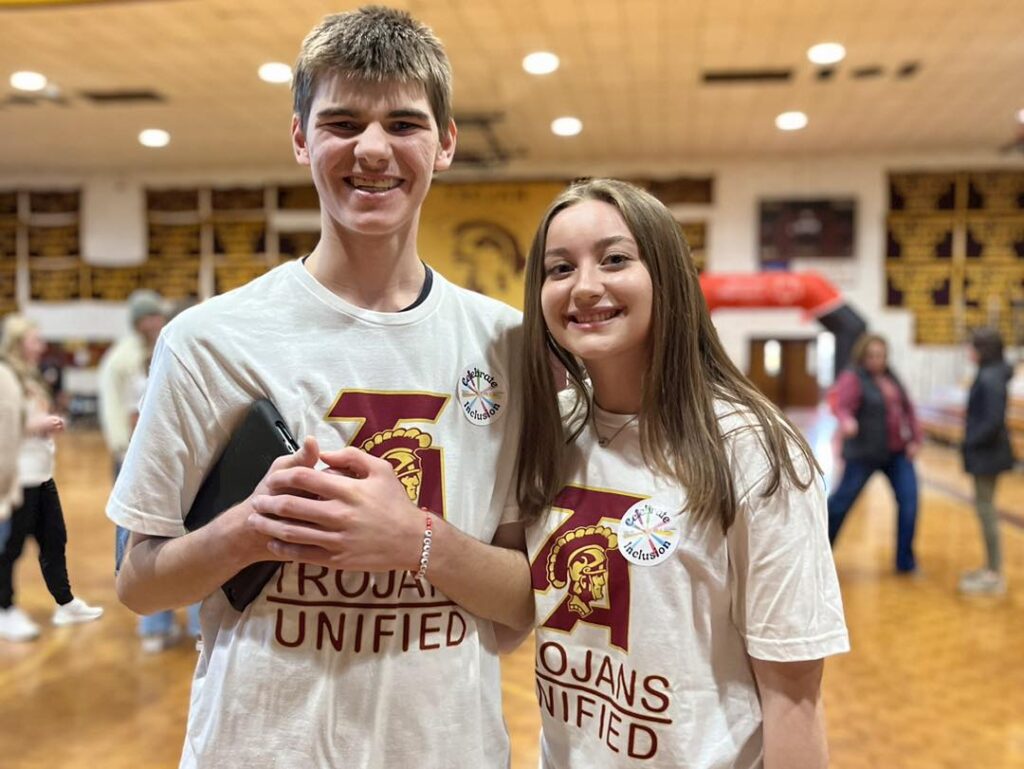
At Special Olympics Maine, we believe inclusion starts with understanding.
People with intellectual disabilities are athletes, students, coworkers, leaders, family members, and friends. They bring unique strengths, perspectives, talents, and experiences to our communities every day.
Our mission is to create a more inclusive world through sports, health, education, and leadership opportunities all while helping break down stereotypes and barriers that people with intellectual disabilities too often face.
What Is an Intellectual Disability?
An intellectual disability (sometimes called “ID”) is a disability characterized by limitations in intellectual functioning and adaptive skills.
These can affect areas such as:
learning
communication
problem-solving
social skills
daily living skills
Intellectual disabilities can range from mild to more significant, and every person’s abilities, strengths, and support needs are different.
People with intellectual disabilities can learn, work, compete, build relationships, and lead meaningful, independent lives.
Intellectual Disabilities Are More Common Than Many People Realize
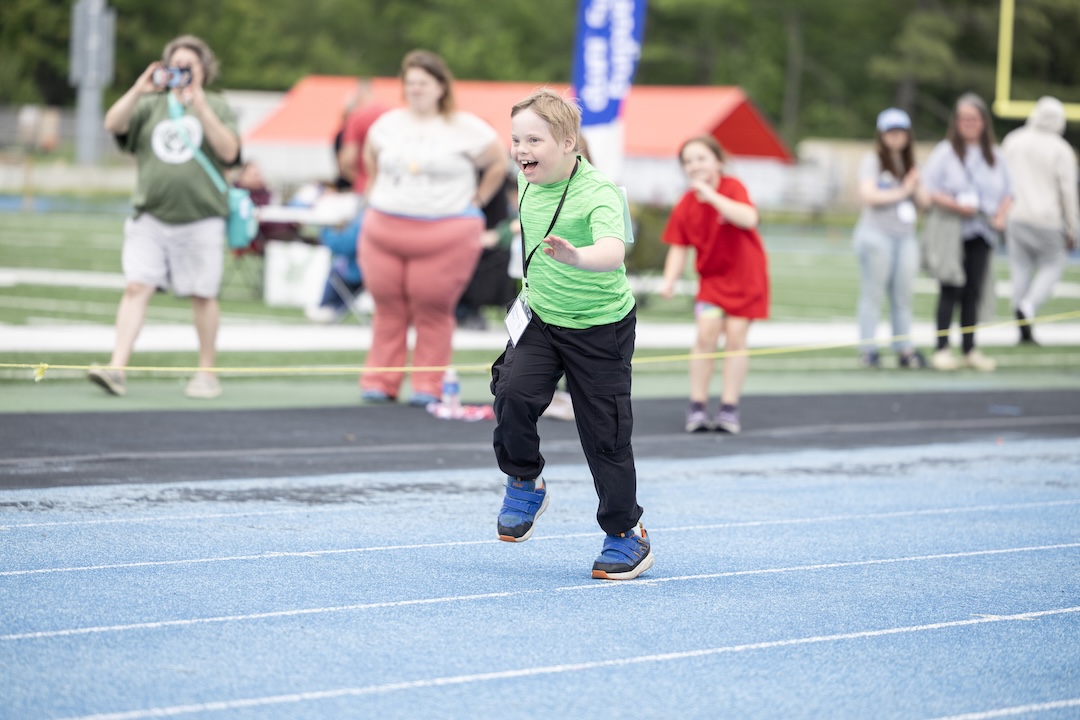
According to the World Health Organization, intellectual disabilities affect millions of people worldwide and occur across every community, culture, and background. Some intellectual disabilities are present at birth, while others may develop during childhood due to illness, injury, or genetic conditions.
Types of Intellectual Disabilities
There are many different types of intellectual and developmental disabilities. Every individual’s experience is unique, and no diagnosis defines a person’s value or potential.
The Importance of Inclusive Language
Words matter.
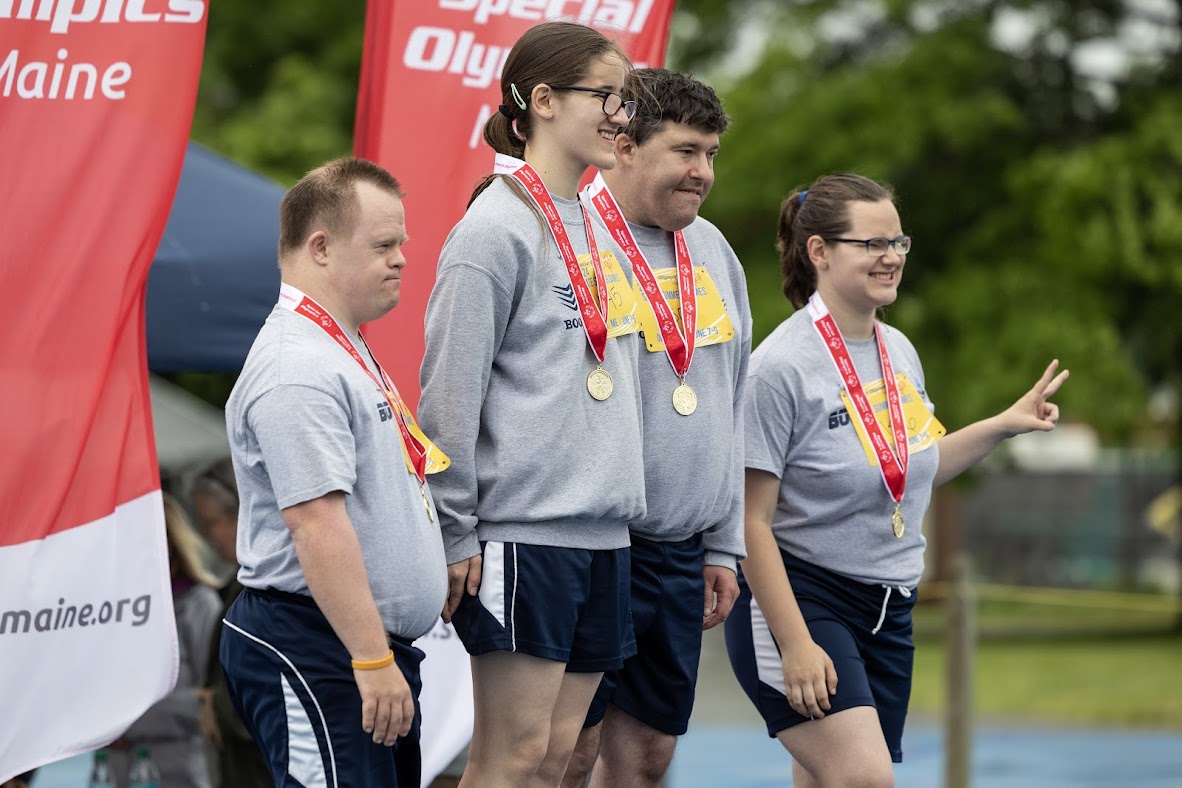
At Special Olympics Maine, we use people-first and respectful language that recognizes the individual before the disability.
For example:
“person with an intellectual disability”
“athlete with Down syndrome”
Instead of language that defines someone only by a diagnosis. The best approach is always to communicate with respect, kindness, and inclusion.

Inclusion Changes Lives
For many people with intellectual disabilities, barriers still exist in sports, education, employment, healthcare, and social opportunities.
Special Olympics works to change that.